If you want to find anything there, you’ll need a special dark web browser such as Tor. Once you file the reports, keep them safe for when you may need them in the future. You can reach out to your local police department on a non-emergency number or contact the FBI’s Internet Crime Complaint Center. While removing your information from the dark web is all but impossible (we’ll cover why below), there are steps you can take to prevent criminals from exploiting your SSN. Using your compromised SSN is one of the easiest ways for someone to steal your identity — and you won’t always be able to stop them. Sign up for our newsletter and learn how to protect your computer from threats.
The Dangers Of Having Your SSN On The Dark Web
The leaked data, totaling 277GB, can be used for identity theft and fraud. Although the breach does not necessarily affect 2.9 billion unique individuals (due to multiple records per person), it still poses a significant risk. The information can be used to open fraudulent accounts, apply for loans, or even commit tax fraud. Victims may face ongoing challenges with their credit reports, financial security, and even their employment prospects. Rebuilding your credit score and clearing your name of fraudulent activity requires time, persistence, and often legal assistance. If you need access to your credit but still want some protection, consider setting up a fraud alert.
The Dark Web is a hidden part of the internet that’s only accessible through special browsers, such as the TOR browser. If it happens to you, reach out to the agency and explain the situation. You may need to complete IRS Form 14039, the Identity Theft Affidavit, to officially report the incident.
- To implement a credit freeze, you must contact each of the three credit bureaus individually (online, phone, or mail).
- Keep all records and reports in a safe space, as you may need them while you recover from fraud.
- A credit freeze prevents creditors from approving new loans or lines of credit in your name.
- Having safety measures in place can help protect you from identity theft or fraud regardless of how someone gets your information.
- Once you file the reports, keep them safe for when you may need them in the future.
We recommend using both npdbreach.com (the Atlas Privacy site) and npd.pentester.com (the Pentester site) to check for your SSN in the leaked NPD data. Make sure to check previous addresses and names if yours have changed. If your SSN appears on either site, proceed directly to the next section, which explains how to protect yourself.
Change Your Passwords Regularly
By filing early, you reduce the chances of someone else using your SSN before you do. For example, if your SSN is used to open new lines of credit in your name, the damage to your credit score could take years to repair. And if your SSN is used to file a fraudulent tax return, you could end up owing the IRS a lot of money. Look for any unusual activity, such as charges you don’t recognize or withdrawals from your account that you didn’t make.
Taking Immediate Action
NordPass is here to help keep your sensitive information safe and out of the wrong hands. It’s unlikely that criminals will care to remove one data point from a single user request – even if you were able to find a way to contact them. Personal information is more valuable when it comes in large datasets, and hackers are more likely to use it as ransom to obtain money from breached companies.
What Happens If Your SSN Is On The Dark Web?
If this happens, contact the company immediately and report the fraudulent activity. Criminals can use stolen Social Security numbers to submit false health insurance claims, illegally obtain medical insurance funds, or steal prescription medication. Medical identity theft makes it difficult for affected parties to receive healthcare, claim payouts, or sign up for new medical services.
Can You Be Entitled To Money Damages If You’re Affected By The Breach?
This account allows you to review your Social Security Statement, check reported earnings, and estimate future benefits. You can create an account through Login.gov or ID.me, credential service providers for government agencies. After finding out your SSN is on the dark web, you should immediately take action and follow the steps above to protect your identity and private accounts. To keep your information safe, you should use a password manager that can update your passwords with strong, unique ones and scan the dark web. Once your SSN has been found on the dark web, you should report it as stolen to the Federal Trade Commission (FTC).
Huge Data Breach Involving Social Security Numbers Could Impact Millions Of Americans
It’s less common for your credit card or government ID info to be openly published on the dark web, he said. If your driver’s license was stolen, that information probably won’t be openly available on the dark web, for your run-of-the-mill identity thief to see. The truth is, you can never really be sure whether your private data is in the hands of cybercriminals. There are some giveaways that your personal information may be available to identity thieves.
To access the dark web, users typically utilize anonymity networks such as Tor (The Onion Router) that conceal their identities and online activities. Bleeping Computer reports that the hacked data involves 2.7 billion records, with individuals having multiple records in the database. In other words, one individual could have separate records for each address where they’ve lived, which means the number of impacted people may be far lower than the lawsuit claims, the site noted. The Social Security Administration also provides online access to your earnings and benefits history through its my Social Security account. It’s free to use and you can get an account even if you don’t receive benefits.
Note that if you created a Social Security username more than 3 years ago, you’ll need to create a Login.gov account or use an ID.me account. Even when they are shut down, such as when the FBI took down the SSNDOB Dark Web marketplace, criminals can simply re-upload the information to another site. Identity Protection PINs (IP PINs) stop someone from filing tax returns by using your SSN or Individual Taxpayer Identification Number (ITIN).
- If you sign up for the Social Security Administration’s myE-Verify website, you can track all the jobs you’ve had in the past (where you used your SSN).
- Terence Mills, head of an AI data company, said, “Whoever the bad actors are probably have all your data already.”
- When you’re done changing your passwords, the next thing you should do is check your credit report.
- And while there might not be a simple way to get your information removed from the dark web, you can take measures to protect your accounts and identity.
- The dark web serves as a marketplace for cybercriminals to trade and sell stolen personal information, including Social Security numbers (SSNs).
- Look for any unusual activity, such as new accounts or charges you don’t recognize.
Check with your service provider for details on specific fees and charges. Get alerted if we detect your information somewhere suspicious so you can take action right away. Earlier in the year, a hacker group who infiltrated a background check company claimed they stole the Social Security numbers of almost every single person in America. SALT LAKE CITY (KUTV) — Your personal information, including your Social Security number, may already be for sale on the dark web, according to experts who warn that most people remain unaware of the threat. It’s unclear, although the lawsuit claims that NPD “has still not provided any notice or warning” to Hoffman or other people affected by the breach.
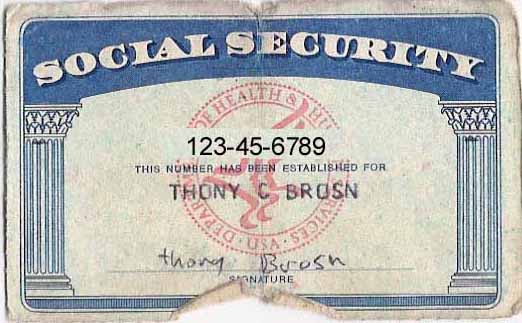
Be sure to review your credit report carefully to see if there are any other indicators of fraud, such as unfamiliar names or addresses, or accounts that you didn’t open. If a Social Security Number variation is the result of a typographical error, you may contact the creditor that reported the incorrect number and request a change to their records. The dark web serves as a marketplace for cybercriminals to trade and sell stolen personal information, including Social Security numbers (SSNs).

Whether you freeze or lock your credit, it’s also a good idea to place fraud alerts on your credit reports with the major credit bureaus. This will add another layer of security as creditors will have to take extra steps to verify it’s really you before extending any credit. However, if your data has been stolen in a data breach – which are common these days — your SSN has likely been posted onto the Dark Web.