Choosing the right version of Microsoft Project isn’t just about selecting tools; it’s about aligning with your organization’s needs. Microsoft Project comes in two main editions – Standard and Professional, each tailored for different levels of project complexity and collaboration. There are reasons to prefer ProjectManager in a Microsoft Project vs. Microsoft Planner battle, but let’s provide some context first.

Product Life Cycle
Choose Microsoft Planner for straightforward team collaboration on less complex projects. While MS Project costs more than Planner, it offers more advanced features to handle complex projects better. Microsoft Planner’s visual board can provide a general overview of the project timeline, but it’s not ideal for intricate dependency management or resource allocation considerations. While you can set due dates for tasks, it lacks the advanced features of MS Project for complex scheduling.

They should also have experience working with project management software and other planning tools, such as work breakdown structures or Agile methodologies. A program manager is a person who oversees and manages a large program, oftentimes with several projects and initiatives involved within it, to ensure alignment with the company’s big picture goals and strategy. Initiatives often involve multiple projects and ongoing work, while projects are more concrete. Microsoft Project and Microsoft Planner serve different needs in the project management spectrum. Microsoft Project, introduced in the 1980s, was developed as a professional project management tool for complex enterprise projects.
Understanding Quality Analyst Roles And Responsibilities
Before diving into the pricing plans available for Microsoft Planner, it’s important to understand there are two main versions of this software, Microsoft Planner Basic and Microsoft Planner Premium. The contrast between set and progressively adapting coordination approaches proves evident, each methods presenting challenges together with gifts to offer. This structure ensures clear lines of communication and accountability throughout the project lifecycle. Traditional methodologies have long been the cornerstone of structured project execution. Tools such as Gantt charts offer a visual overview of the project schedule, indicating dependencies and order of operations, but may not be suitable for Agile environments where requirements frequently change. This ongoing life cycle allows for continuous improvements and adaptations based on market feedback and changing customer needs.
- Thus, while both versions contain the essence of efficient project management, their choice largely depends on the projects’ scale, intricacy, and specific demands.
- However, based on customer ratings, Microsoft 365 has an advantage over Microsoft Project.
- They ensure that each team member is working towards the project’s goals and meeting their assigned tasks.
- Microsoft Project creates more detailed project outlines and comprehensive project planning, with task structuring and timeline.
- Here are some of the most fundamental differences between a project and a program.
Kanban Board

They introduce new products, help companies reach new market sectors and keep the business competitive when the environment changes. Let’s look first at examples of projects and why they are needed, and then we’ll do the same for operations, so you can see how they both fit together and ensure the business remains resilient, profitable and stable. Most QI projects do not meet the definition of research though because they are not designed to be generalizable. Determining if a proposed project is a non-research quality improvement (QI) activity or research involving human subjects is challenging. Federal regulations define research as “a systematic investigation, including research development, testing, and evaluation, designed to develop or contribute to generalizable knowledge”.
Consider Strategic Alignment
- Stay tuned to uncover the critical aspects of these two concepts and learn how a deeper understanding of them can significantly improve decision-making and execution.
- When a project team is formed, one person is assigned the role of project manager.
- Projects are temporary endeavors with well-defined boundaries, while programs are long-term initiatives that involve multiple interconnected projects and activities.
- They document tasks in prioritized order and highlight the things that have been done as well as the things that still need to be done.
She is an avid reader, a budding writer and a passionate researcher who loves to write about all kinds of topics. The project plan is a comprehensive document that outlines how the project is executed, monitored, and controlled. It highlights vital project information such as deadlines, assignments, and key milestones and is usually represented in the form of a Gantt chart. Let’s explore the key tools with examples, exploring the differences between the two fields. Let’s discuss the fundamental attributes of a program to enable a comprehensive understanding and comparison with projects. Let’s explore the key characteristics of a project to provide a solid foundation for comparison with programs.
Microsoft Planner Vs Project: Why Should You Choose MS Planner?
While Microsoft Planner doesn’t have dedicated resource allocation functionalities, you can assign tasks to team members. This helps ensure tasks are assigned to individuals with the right skills and prevents overloading anyone. It allows for dependencies between project tasks, meaning you can establish which tasks need to be completed before others can begin. While the distinctions are clear, real-world scenarios often require a blend of both approaches.
Other agile frameworks include Extreme Programming (XP), Crystal, and Feature-Driven Development (FDD). It’s important to understand the principles and practices that define the agile approach. Many have adopted hybrid approaches that combine elements of both methodologies to suit their specific needs.

Confusion surrounding these terms can lead to inefficient management and hinder the successful implementation of your strategic goals. All three management types are designed to achieve one or more strategic objectives but at different levels of granularity. The program manager often plans future projects while remaining informed about current projects so they can make adjustments to the overall plan as needed. In comparison, a program (if formal) will document, monitor, and administer benefits identification, benefits analysis and planning, benefits delivery, benefits transition, and benefits sustainment. This demonstrates the level of analysis and control of expected benefits when comparing programs to projects. Programs, on the other hand, are groups of related projects that are run as a group toward producing a common benefit.
What Is A “program” In Project Management?

The list is then prioritized based on impact, cost and availability of resources. Another example is when multiple vendors are involved in delivering a large product. A program is an overall plan to achieve a company’s goals by aligning multiple projects and dependencies to attain a certain goal. Program management involves scheduling and managing multiple related projects, with the aim of achieving a company’s overall goals through those projects. It is used when a goal is too large to complete in one project or when breaking a program down into smaller pieces seems advantageous. Some of a project manager’s responsibilities include controlling the project schedule and budget.
Since programs involve multiple projects and activities, resources need to be allocated strategically to ensure the overall success of the program. Program managers play a crucial role in coordinating resources, managing dependencies, and resolving conflicts that may arise due to resource constraints or competing priorities. Once the project’s objectives are defined, it’s time to create a plan that outlines the specific tasks that need to be completed. This plan should also include the resources and timelines required to achieve those goals. This is where the project manager will determine the budget, assemble a team, and allocate responsibilities to individual team members.
For more detailed information about each of these Microsoft Planner plans and the features that are available for each pricing tier, visit our Microsoft Planner blog. Now that we have the stats down, it’s time for Microsoft Project vs. Microsoft Planner to get in the ring and see who comes out on top. When the bell rings, it looks as if Microsoft Project has a big advantage over Microsoft Planner. Agile’s iterative approach allows for more frequent risk assessments and quicker responses to potential issues. This head-to-head comparison will help you make informed decisions about which approach best suits your project needs. This framework emphasizes autonomy, communication, and accountability, allowing the company to innovate rapidly in a competitive market.
Multiple users can edit documents simultaneously, enhancing teamwork with clients. MS Project allows you to easily divide any project into different tasks, concatenated or not, and assign resources, start and end dates. It also allows it to be integrated with different databases to make analytics and BI.
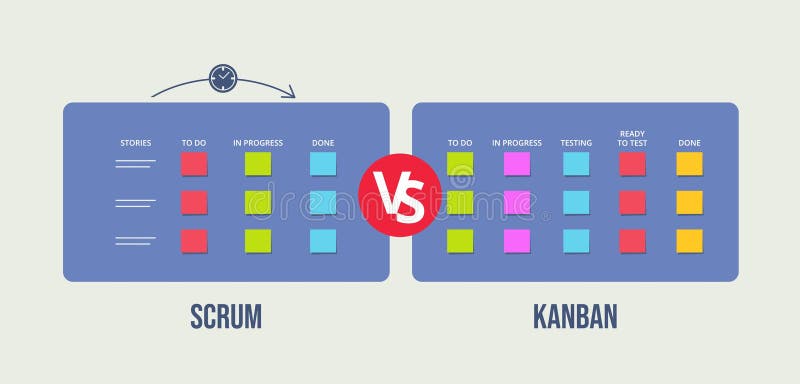
The late 20th century saw the software development industry grappling with the limitations of traditional project management. This approach to project management emerged in the mid-20th century as a structured way to handle large-scale, complex projects with clearly defined outcomes. For effective management, project teams might be organized into specialized sub-teams, particularly in the case of complex or large-scale projects. Initiatives play an important role and represent the bridge between the strategic and operational levels. When defining initiatives in your company, be aware not to have an initiative as an end in itself. Each strategic initiative should be a building block towards achieving the company goals and should be decomposed into projects, representing how exactly this goal will be met.
Agile Processes And Their Role In A Product Mindset
Let’s explore real-world use cases from various industries to understand the practical applications of projects and programs to achieve their strategic goals and deliver value. Project management also involves managing processes for change requests, scheduling issues and budget overruns. A lack of strong project management will result in failure for many undertakings. In comparison, a program manager is authorized to lead the team or teams responsible for achieving program objectives. They maintain responsibility for leadership, performance, and conduct of a program, and build teams capable of achieving those objectives. Therefore, the program manager will monitor outputs and outcomes of component activities and ensure the program adapts appropriately to those activities.