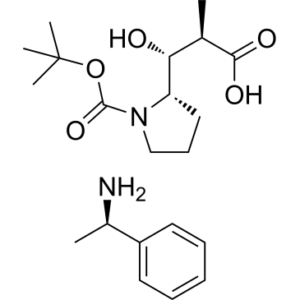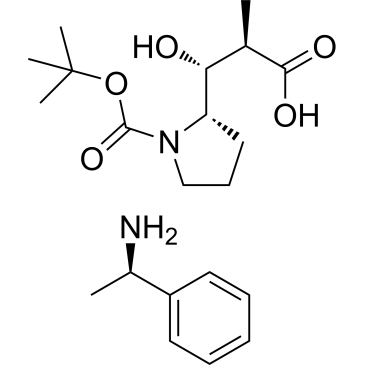
This effect on mental performance is one reason why PEA has garnered interest in the field of nootropics, substances that enhance cognitive function. Customers report positive effects on cognitive function, noting improved focus and learning abilities, with one customer specifically mentioning enhanced brain dopamine levels. Takahashi et al. 225,226,227,228,229,230 derived a small series of flexible 2-phenethylamines with analgesic activities, with moderate potency effects when compared with pentazocine or morphine (Figure 20a). Manchado et al. 231 developed quick asymmetric routes furnishing this type of derivative. Spetea et al. 232 developed selective diphenethylamine-based tertiary amines as κ-opioid receptors with 100-fold and 1000-fold selectivity difference compared with its congeners (Figure 20b).
Additionally, taking PEA precisely as directed is critical, and usage should cease if adverse side effects appear. Phenylethylamine acts as a central nervous system stimulant and has the important role of helping the body create certain chemicals that play a role in mood stabilization. In fact, chemically it works similarly to the drug amphetamine (or Adderall, used to treat attention deficit hyperactivity disorder, narcolepsy and obesity), which is why taking too much is a bad idea. Some studies were supported by NIMH grant MH (various serotonergic agents including development of NAN-190).
This procedure has a yield of about 860 to 890 g of PEA, equaling 83 to 87%. The amount of phenylethylamine that you take depends on how you consume it, the specific results you are seeking and whether you are pairing the supplement with other chemicals. Each dosage and form has a different effect on the body, so it’s vital to understand how PEA works in the body prior to starting a supplement regimen. Phenylethylamine is a stimulant similar to caffeine or amphetamine, so large doses can cause a startling increase in heart rate, especially when it is mixed with other stimulants (x, x). Phenylethylamine works with the central nervous system to help increase energy.
Serotonin And Dopamine: Understanding The Key Differences And Roles
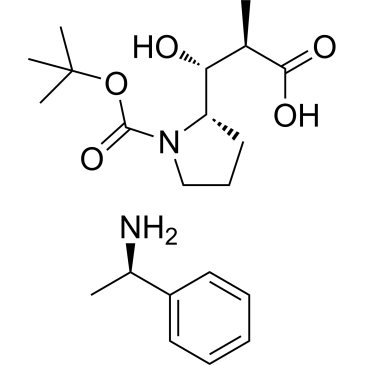
In addition, the exposure to β-PEA induced a positive affective state in rats, and rats self-administered β-PEA under FR and PR schedules of reinforcement. In mechanistic studies, the administration of β-PEA significantly increased the DA concentration and TH and p-DAT protein expression in the dorsal striatum of mice. Finally, the pharmacological blockade of DAD1R with a DAD1R antagonist, SCH23390, significantly attenuated circling behavior in mice and β-PEA-taking behavior in rats. Taken together, our findings suggest that β-PEA has psychoactive properties given its rewarding and reinforcing effects via the activation of dopaminergic neurotransmission, and it has psychotomimetic potentials such as circling or head-twitching behavior. These effects are likely mediated by DAD1R in the dorsal striatum of rodents.
Phenylethylamine And Depression
A search function and filters simplify the exploration of extensive data, allowing you to focus on what needs attention. PEA stands for Beta-phenylethylamine and is an excitatory neurotransmitter made from phenylalanine and it modulates neuron voltage potentials to favor glutamate activity and neurotransmitter firing. DA fluxes were induced by applying 50 μM βPEA and recorded using a carbon fiber electrodes connected to an Axopatch 200B amplifier (Molecular Devices, Sunnyvale, CA). Electrodes were placed in proximity to an isolated dopaminergic neuron expressing cytosolic GFP. Some studies have found that individuals with ADHD tend to have lower levels of PEA in their urine, suggesting a potential role for this compound in the disorder. This has led to speculation that PEA supplementation could potentially help manage ADHD symptoms, although more research is needed to confirm this.
Safety And Product Resources
Stimulants mediate the actions of dopamine, norepinephrine and/or serotonin, mimicking the effects of traditional drugs such as cocaine, amphetamine, methamphetamine, and ecstasy. Classic hallucinogens (psychedelics) mediate specific serotonin-receptor activities and produce hallucinations. Substances in these group mimic the effects of traditional drugs such as 2C-B, LSD and DMT but may also possess residual stimulant activity. Phenylethylamine, or PEA for short, is a naturally occurring trace amine that belongs to the class of organic compounds called phenethylamines.
The Future Of Love: PEA Research And Potential

Others are exploring its potential in managing neurodegenerative diseases, given its possible neuroprotective properties. Customers report experiencing side effects from the supplement, with one mentioning diarrhea and another noting it feels quite heavy on the brain. Customers have mixed experiences with the supplement’s mood-boosting effects, with some reporting a positive impact while others experienced fatigue. Do not take this or any other supplement if under the age of 18, pregnant or nursing a baby, or if you have any known or suspected medical conditions and/or taking prescription drug(s) or OTC medication(s). Always consult with a qualified health physician before taking any new dietary supplement. Have reported severe hyperthermia following the use of these substances.13 Studies in animals have suggested that some metabolites may be exposed to increased toxicity from 4-MTA.
Monoaminergic Activity Enhancer
The influence of PEA on our brain chemistry, particularly its interaction with dopamine, translates into a wide array of physiological and psychological effects. There are dozens of modified phenethylamines with stimulating and brain-altering effects. Other well-known phenethylamines such as amphetamines are often sold illegally as street drugs.
- Other agents, those possessing unprotected primary amines, such as PEA (1) or tryptamine – agents of moderate lipophilicity – if they penetrate the BBB, are rapidly metabolized by enzymes such as monoamine oxidase (MAO).
- Keep in mind that natural products are not always necessarily safe and dosages can be important.
- If these touted compounds don’t have strong effects on us, what is it that makes us crave chocolate?
- Even still, experts are divided on whether or not the chemical remains in the body long enough after supplementation to have any real effect on the brain, which is as of yet unknown.
- Its sodium salt is the active ingredient in Aleve and other over-the-counter nonsteroidal anti-inflammatory drugs used to reduce pain, fever, and inflammation.
Is It The Same As MDMA?
Phenylethylamine (PEA), often referred to as the “love molecule,” occurs naturally in a diverse array of foods. Known for its role in promoting bliss, mood support, and mental clarity, PEA serves as a valuable compound for energy regulation and cognitive functions. Understanding PEA’s dietary sources can help individuals optimize its benefits, often in combination with complementary substances such as medicinal mushrooms, NAD boosters, and mushroom blends like Lion’s Mane, Reishi, and Cordyceps. In functional formulations, phenylethylamine is sometimes paired with delivery mechanisms like NAD nasal sprays or NAD boosters, which help enhance cellular energy production. PEA’s rapid metabolism in the body means its effects are transient but potent. However, emerging formulations, such as those paired with NAD nasal spray or other NAD boosters, are designed to extend its cognitive benefits.
Figure 10
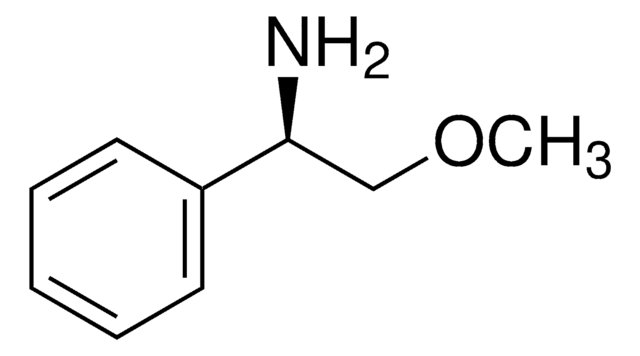
Avoid products that contain fillers, artificial colors, and preservatives. While the product may arrive warm during summer months due to shipping, we haven’t noticed any negative effects on the supplement’s efficacy. The only minor downside is that some settling of powder may occur in the capsule, but this is to be expected with a weight-filled product. Despite its downsides, we still recommend FitPowders Beta Phenylethylamine HCl (Pea) for those who are looking for a high-quality and effective phenylethylamine supplement.
Sigma Receptor Ligands
Note that taking phenethylamine supplements is different from taking substituted phenethylamines, which should be taken with extreme caution as they have been shown to cause schizophrenia-like psychosis 21, 65. Imitations of drugs are also created to be undetectable and are marketed as “legal highs.” So-called “designer drugs” have been manufactured from phenethylamines since the 1960s and are extremely dangerous 63, 64. Despite the lack of effectiveness and safety data, dietary supplements are widely available. The salt form, phenylethylamine HCL, is the most common phenylethylamine supplement, and phenylethylamine powders and tablets are also sold.
- There are two main groups of α-adrenergic receptors, α1 and α2, with several subtypes within (α1A, α1B, α1D, α2A, α2B, α2C).
- Under stress, the body frequently shifts to a state of heightened alertness through the hypothalamic-pituitary-adrenal axis, flooding the system with cortisol.
- The sustained antidepressant effect of Phenylethylamine (PEA) may be an alternative to SSRIs.
- We appreciate that the product contains highly-purified, incredibly potent, research-grade Phenyl ethylamine, and we believe that this is what sets it apart from other PEA supplements on the market.
In this study, we demonstrated the effects of β-PEA on psychomotor, rewarding, and reinforcing behaviors and affective state using the open-field test, conditioned place preference (CPP), self-administration, and ultrasonic vocalizations (USVs) paradigms. We also investigated the role of the dopamine (DA) D1 receptor in the behavioral effects of β-PEA in rodents. Using enzyme-linked immunosorbent assay (ELISA) and Western immunoblotting, we also determined the DA concentration and the DA-related protein levels in the dorsal striatum of mice administered with acute β-PEA. The results showed that acute β-PEA increased stereotypic behaviors such as circling and head-twitching responses in mice. In the self-administration test, β-PEA significantly enhanced self-administration during a 2 h session under fixed ratio (FR) schedules (FR1 and FR3) and produced a higher breakpoint during a 6 h session under progressive ratio schedules of reinforcement in rats. Furthermore, acute β-PEA administration increased DA concentration and p-DAT and TH expression in the dorsal striatum of mice.
The effects of PEA on neurological conditions are complex and not fully understood. As with any potential treatment, it’s crucial to consult with healthcare professionals and not self-medicate based on preliminary research. As a dietary supplement, take one serving (1 capsule), Taken once daily or as directed by a qualified health professional. Exceeding 400mg may result in overstimulation, potentially causing mania and erratic mood swings.
This short half-life means its effects are brief unless combined with MAO-B inhibitors, which slow down its degradation. Several studies have shown that PEA is present in cocoa beans and chocolate. Its level increases during fermentation of cocoa and in roasting cocoa beans, with a concentration in the mg per kg range. This led to a widely-touted suggestion that people could increase their brain levels of PEA by eating chocolate, and that this could be linked with falling in love (even nowadays, especially around February 14th). This may have done wonders for chocolate sales, but the rapid metabolism of phenylethylamine by MAO-B will stop this PEA from reaching the brain. PEA also has implications for mood disorders like depression and anxiety.
Β-phenylethylamine (PEA) is a small molecule that exhibits an array of intriguing and seemingly unrelated functions. The purpose of this review is to summarize general information about PEA, as well as detailing a selection of the functions, namely its role as a neurotransmitter and in food processing. General information is summarized in Chapter I, including the chemical properties of PEA (1.1), its natural occurrence and biological synthesis (1.2), and its chemical synthesis (1.3). Chapter II describes PEA’s functions as a neurotransmitter and details its impact on attention deficit hyperactivity disorder (2.1), depression (2.2), and schizophrenia (2.3) as three examples of psychological disorders. A comparison of PEA’s action to that of other trace and biogenic amines is provided (Illustration 3). Finally, Chapter III describes the role of PEA in food processing, starting with its occurrence in fermented food and meat as the result of microbial metabolism (3.1) and its occurrence in chocolate as the result of thermal processing (3.2).