
He prides himself on managing highly technical and ambiguous writing projects with an eye on helping users grasp complex tasks with clear, practical documentation. As such, he considers himself more of a tech translator, bridging the gap between engineer-speak and end users. By clicking “Post Your Answer”, you agree to our terms of service and acknowledge you have read our privacy policy. For anyone using the Brave browser, the solution is very similar to Dan’s answer, just with the brave.exe path (note that for Brave, the exe is not located in %LocalAppData%). Strictly Necessary Cookie should be enabled at all times so that we can save your preferences for cookie settings.
Meanwhile, since this is a useful tool, I decided to share the steps with you, and I hope you found it helpful. The browser will then tell you that you’ve gone incognito with all the requisite warnings as to what that means. In his free time, Matt cooks, volunteers at local animal rescue shelters, and reads a lot of science fiction. Since his last stint at How-To Geek, Matt has worked primarily as a technical writer in the casino gaming and cloud computing industries.
Even if you close the window, old tabs can be revealed by simply pressing Control, Shift, and T at the same time, so it’s actually safer and less work to just use a private tab instead. Your operating system and router both record every site visited, even if you open them in a private tab. Incognito mode is primarily intended to help hide your activities from other users on the same device and account, and doesn’t provide much privacy beyond that. The good news is that tons of free browser extensions are designed to limit the amount of data sites can collect about you. Alternatively, you can install privacy-focused software like Tor for even greater online anonymity.
How To Go Incognito In Google Chrome
For users on Linux or Chrome OS, use your app drawer to find the Edge icon. Once it’s open, you’re ready to explore features like Incognito mode, enhancing your browsing experience without any hassle. Incognito Mode (or Private Browsing) is a simple but effective way to browse the web without leaving traces on your local device. You can use it on Chrome, Firefox, Edge, and Safari with easy shortcuts like Ctrl + Shift + N. While it keeps your browsing history private, your ISP and employers can still see your activity. If you’re looking to create a .URL file that opens a webpage in private browsing mode, sadly that task is unachievable, due to the lack of versatility of a URL file.
Special Offers
Private browsing can also be useful if you want to get around a metered paywall, test a site’s response that might have your info saved when you’re logged in, and so on. Public Wi-Fi networks, such as those in airports, cafes, and hotels, are vulnerable to data interception. Hackers can easily monitor your activity and steal sensitive information like passwords and personal data. Internet Explorer will now start with InPrivate Browsing enabled when you launch it via this shortcut. If you use other shortcuts to launch Internet Explorer, you will need to modify each one.

Open Links In Private Browsing (incognito) Window Automatically In Chrome

To enhance your privacy further, you can use anti-tracking tools and a Virtual Private Network (VPN). The Tor browser routes your traffic through multiple nodes to anonymize it, blocks trackers and fingerprinting, and helps mask your identity. Brave automatically blocks ads and trackers, while LibreWolf is built with a strong focus on privacy and security. You can also switch to privacy-focused search engines like DuckDuckGo. This guide covers how to activate incognito mode for private browsing in Chrome, Edge, Firefox, Safari, and Opera. Now that we’ve established the usefulness of incognito mode, let’s figure out how to use it in a couple popular browsers.
Navigating In InPrivate Mode
Once you have created the InPrivate Edge shortcut, you can double-click the shortcut to open Edge in InPrivate mode. If, like me, you included a website to open, the shortcut opens the website. Once open, the entire browser window will be grey and each tab will say “InPrivate”. IE will indicate it’s in InPrivate mode from the blue box next to the location bar, which also bears the label “InPrivate”. You’ll need to create a process with a path to Chrome’s exe file, and use the argument –incognito. Connect and share knowledge within a single location that is structured and easy to search.
In addition to protecting your privacy, Incognito Mode also has some other important features. When you open websites in incognito windows, most browsers disable extensions and browser plugins by default. This is done to ensure that these additional programs do not interfere with your private browsing experience and potentially compromise your security.
Google Chrome will now start in incognito mode when you launch it from this shortcut. If you use other shortcuts to launch Google Chrome, you will also need to modify them. To activate Google Chrome’s incognito mode by default, you must add a command line option to its shortcut. If you appreciate the functionality of Incognito URL Opener, you have the option to support its development by making a donation. This helps the developer continue to improve and maintain the extension for an enhanced browsing experience. When you first open a new Incognito window, you’re creating a new Incognito browsing session.
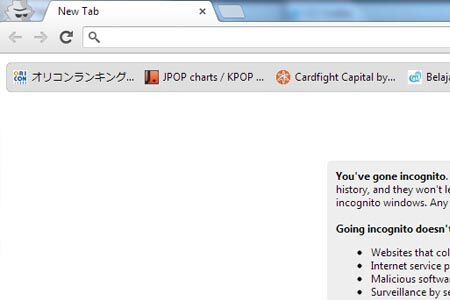
As you can see, every browser has more or less the same procedure for going into private browsing mode, and most operate in the same way (with a few occasional differences). Additionally, you can expect to hide similar types of information from prying eyes when using browsing mode. Once activated, the browser screen will turn grey and will tell you that you’re in private browsing mode. Once you’re done with InPrivate mode, close the tab or window to exit and return to regular browsing mode.
- Any Incognito windows you open after that are part of the same session.
- This can be useful in circumstances like testing procedures as a user (rather than as an administrator), checking the accuracy of a URL, or logging into a different University account.
- However, your internet service provider (ISP), employer, or the websites you visit can still track your activity.
- Each browser has its own unique approach to private browsing, so it’s important to know the process for your preferred browser.
- If you’re using a taskbar shortcut, you’ll have to right-click the Google Chrome shortcut on your taskbar, right-click “Google Chrome” in the menu that appears, and then select “Properties”.
How Private Is Incognito Mode?
It’s worth noting, however, that Incognito Mode does not make you completely anonymous online. Your internet service provider and the websites you visit can still track your activities. No, private tabs don’t change or obscure your IP address in any way. As such, sites like Facebook will be able to tell where you’re browsing from, who your service provider is, and whether you’ve logged in from the same location before. As such, Incognito mode can’t help you beat a Discord ban or access geo-blocked streaming platforms like Disney+ while traveling.
Limitations Of Incognito Mode & How To Enhance Privacy
- Atish is a seasoned tech enthusiast fueled by caffeine and a Computer Science engineering degree.
- If you appreciate the functionality of Incognito URL Opener, you have the option to support its development by making a donation.
- Locate the shortcut you use to launch Internet Explorer, right-click it, and select Properties.
- This protection shields your data from prying eyes, ensuring a safer browsing experience when connected to unsecured public networks.
- This is because your ISP is what facilitates your connection with the public web.
Open a new Incognito window in Chrome using keyboard shortcuts or from the menu (1) by choosing New Incognito window (2). In the Opera mobile app, on Android, tap the tabs button, swipe to Private, and tap the plus sign. If you’re using iOS, open the menu by tapping the three lines, then select Private Mode. While an unblocked browser like Incogniton grants access to restricted content, it should be used ethically and within legal boundaries. In summary, VPNs are great for encrypting all device traffic but Incogniton offers a quicker, more reliable, and flexible way to bypass internet restrictions without detection.
With built-in proxy services and advanced browser fingerprinting protection, Incogniton offers a seamless way to bypass restrictions and browse freely. Mind you, making an incognito mode shortcut on Windows is incomplete. It’s designed for privacy, so you can browse without leaving a trace on your device. This mode offers benefits like enhanced privacy and prevents your browsing history from being saved. To browse without incorporating your history or data from a previous session, you can open a private or incognito window. This can be useful in circumstances like testing procedures as a user (rather than as an administrator), checking the accuracy of a URL, or logging into a different University account.
Browsers: Open A Private Browser Window
NymVPN encrypts your internet connection, ensuring your browsing remains truly private from ISPs, trackers, and prying eyes. Note that all links launched from a shell command will be in incognito, original chrome desktop shortcut etc still launch chrome in standard mode. You can also use private browsing to troubleshoot potentially problem extensions.
While Incognito Mode prevents local browsing history storage, it does not provide real anonymity. Websites, ISPs, network administrators, and many other forms of surveillance can still track your activity. To achieve better internet privacy and security, users should rely on privacy browsers, VPNs, and tracker-blocking extensions. It’s worth noting that when you open links in Incognito Mode, Chrome will not save any data related to that browsing session. However, your internet service provider (ISP) and the websites you visit can still track your online activities.
Incognito mode is useful for local privacy but not for full online anonymity. When you close all incognito windows, Chrome erases the session’s temporary data. This helps ensure there’s no visible trace of your session on the local device. Now that you know how to open links in private browsing mode in Safari, let’s move on to how you can do the same in other popular web browsers.