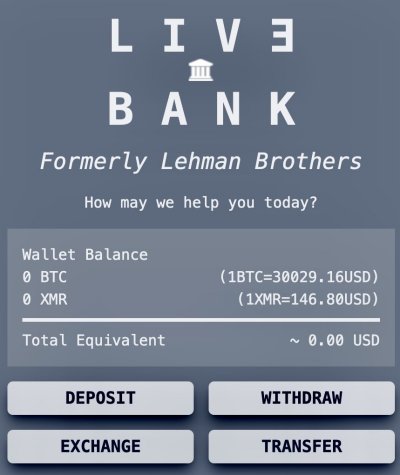
Allegedly, DNM absconded with significant amounts of bitcoin (BTC) and monero (XMR), following a pattern observed since the early days of DNMs, reminiscent of the infamous Silk Road. Indeed, Lin’s arrest is part of a larger trend in the fight against crypto-facilitated crimes. Last week, the Department of Justice arrested two brothers who allegedly conducted a $25 million theft on the Ethereum blockchain. Incognito’s use of Monero and its internal banking system made it nearly impossible to track funds through traditional means. Law enforcement agencies had to adopt new strategies, working with blockchain analysts and leveraging cutting-edge forensic tools to crack the layers of encryption protecting the marketplace’s financial records.
However, in March 2024, customers reported being unable to withdraw Bitcoin and Monero, raising concerns about the possibility of an exit scam. In response, administrators claimed the issues were due to a cryptocurrency functionality upgrade affecting usability. Incognito Market has priced its extortion for vendors based on their status or “level” within the marketplace. Incognito Market deals primarily in narcotics, so it’s likely many users are now worried about being outed as drug dealers. Creating a new account on Incognito Market presents one with an ad for 5 grams of heroin selling for $450.
How Does China Keep Stealing Our Stuff, Wonders DoD Group Responsible For Keeping Foreign Agents Out
On May 21, after online media wrote about Rui-Siang’s arrest and rumors spread throughout the darknet community, ‘MommaBear’, one of the administrators of the SuperMarket darknet marketplace, posted on Dread that the Cold Storage Escrow and Joint Pocket wallets had been emptied. The legal case against Rui-Siang Lin is being prosecuted in the Southern District of New York, a jurisdiction known for tackling high-profile cybercrime and narcotics cases. Once Lin was in custody, the indictment against him was unsealed, revealing an array of serious charges.
- While popular items like cannabis and stimulants are available, the market excels with its ‘Other’ section in fraud, which includes a variety of unique guides and tools.
- U.S. agencies like the FBI, DEA, IRS-CI, and HSI worked alongside Europol, the U.K.’s NCA, and law enforcement from over a dozen countries.
- New vendors paid an admission fee to join, ensuring a revenue stream and a barrier against law enforcement decoys or low-effort scammers.
- He threatened to leak private messages, transaction details, and other sensitive information unless users paid a fee ranging from $100 to $20,000.
- Finally, despite his supposed expertise in cryptocurrency tracing and digital privacy, it was Lin’s own relatively sloppy money trails that, the DOJ claims, helped the FBI to trace his real identity.
- Our commitment is unwavering,” said Chief Postal Inspector Gary Barksdale, United States Postal Inspection Service.
A Darknet Empire
By 2023, it had become one of the most popular darknet marketplaces, attracting thousands of users from around the world. The platform offered everything from narcotics and counterfeit currency to hacking tools and illegal firearms. The variety of goods available on Incognito was staggering, but it was the market’s reputation for security and reliability that kept users coming back. And if that weren’t enough, the platform’s finals days were allegedly spent extorting its users between $100 and $20,000, under threat of revealing they had participated in the purchase and sale of illegal drugs. Lin’s undoing came in May 2024, when he was arrested while transiting through New York’s JFK Airport.
From Fake Lovers To Sextortionists: 260 Scammers Arrested In Africa
Each product listing was posted by an independent vendor, complete with the vendor’s username, shipping origin, accepted destinations, and customer reviews. Incognito charged vendors a 5% commission on every sale, a business model that generated millions of dollars in revenue for the platform. New vendors paid an admission fee to join, ensuring a revenue stream and a barrier against law enforcement decoys or low-effort scammers. In return, Incognito provided an infrastructure for secure (albeit illegal) transactions and acted as an escrow intermediary between buyer and seller.
- Ironically, amidst these threats, the administrator expresses “gratitude” towards customers and vendors for their involvement with Incognito Market, a sentiment that clashes starkly with their current extortion tactics.
- The extortion message includes a “Payment Status” page that lists the darknet market’s top vendors by their handles, saying at the top that “you can see which vendors care about their customers below.” The names in green supposedly correspond to users who have already opted to pay.
- Hundreds of kilograms (pounds) of cocaine, methamphetamines and other drugs were sold on Incognito Market since its launch in October 2020, it said.
- It stands out for its strong ethical standards, particularly in its firm stance against certain illegal content, setting a model for responsible operation in this domain.
Charges, Court Proceedings, And Ripple Effects

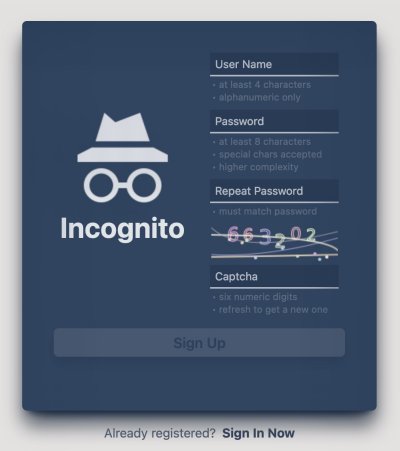
TRM has identified structured withdrawals from the market to personal wallets and then to services with less stringent KYC. Designed to resemble a legitimate e-commerce platform, Incognito offered a slick user experience with branding, advertising, and customer support. Upon visiting the site via the Tor browser, users were greeted by a graphic interface and prompted to log in with a unique username and password.
Germany’s Federal Criminal Police Office Takes Down Hydra Darknet Marketplace
In a November 2023 undercover operation, a federal agent purchased oxycodone through Incognito Market, but testing revealed the pills were fentanyl. Designed to manage seamless narcotics transactions across the web, Incognito Market ran in much the same way as a legitimate business, incorporating advertising, customer service and branding. In a LinkedIn post in April 2024, Lin shared some pictures from a “cybercrime and cryptocurrency training” at the Saint Lucia Police Academy. In another post, he promoted his new healthcare project called ‘Face2ID’, which uses contactless biometric scanning to create unique and secure patient identifiers, improving the accuracy and security of patient data management. The arrest of the Incognito Market owner, Rui-Siang Lin serves as a reminder for everyone to access the web safely and responsibly. Court documents show that on multiple occasions, Bitcoin from Incognito’s administrator wallet was sent to a swapping service.

It also showcased his technical acumen – straddling the line between criminal utility and software entrepreneurship. The DOJ called the operation an “online narcotics bazaar that existed on the dark web.” It alleges that the Incognito Market sold more than $100 million in illegal narcotics, including hundreds of kilograms of cocaine and methamphetamine. Prosecutors say Lin, a native of Taiwan, supervised all of the market’s operations, employees and vendors for four years. Like legitimate ecommerce sites, each listing on Incognito was sold by a particular vendor.

How Did Federal Agents Catch The Incognito Market Owner?
Lin recognized this vulnerability and transitioned the market to Monero, a cryptocurrency designed specifically for privacy. One of Lin’s most innovative contributions to the darknet was the creation of a cryptocurrency ‘bank’ within Incognito. This wasn’t just a simple wallet for storing Bitcoin or Monero—it was a full-fledged banking system that allowed users to deposit funds, conduct transactions, and even earn interest on their deposits. The ‘bank’ also facilitated the exchange of different cryptocurrencies, giving users more flexibility in how they conducted their transactions. It began by freezing their cryptocurrency funds, so they couldn’t withdraw their money.
“Incognito Market” Owner Arrested For Operating One Of The Largest Illegal Narcotics Marketplaces On The Internet

In its heyday, the platform raked in millions of dollars per month and incorporated many features of legitimate e-commerce sites such as branding and customer service. The infrastructure was quite robust and even included a fully functional banking system capable of storing and exchanging funds, and processing interest earnings. Another prong of the investigation was old-fashioned OSINT (Open-Source Intelligence) and surveillance.
Cyble Titan Endpoint Security
One poignant trend is the increasing involvement of international law enforcement and harsher legal consequences, as evidenced by Incognito’s case. Each high-profile bust – from Silk Road to AlphaBay to Incognito – serves as a learning experience for agencies. The takedown of Incognito Market in particular demonstrated that investigators have become adept at following the money in cryptocurrency and coordinating globally to apprehend suspects. We can expect more proactive targeting of darknet markets by multi-country coalitions (similar to how Europe’s Europol and the FBI have partnered in the past). There’s also a legislative trend of sanctioning known darknet markets; for example, Hydra’s crypto wallets were sanctioned by the U.S. If Incognito had still been active, it might have faced similar sanctions designations to choke its financial lifelines.
Year-old Man Accused Of Running $100 Million Online Narcotics Marketplace
Department of Justice announced the results of Operation RapTor—an unprecedented international crackdown on darknet narcotics trafficking. According to the indictment, between 2022 and 2023, law enforcement agents executed search warrants to gain access to three servers used to operate the marketplace and containing marketplace data. One of the servers searched by the agents was the so-called “bank”, a database containing all cryptocurrency transactions. This allowed US law enforcement to trace cryptocurrency transfers to a digital wallet linked to Lin, leading to his identification and arrest. The indictment alleges the illegal sale of more than $100 million in illicit narcotics and misbranded prescription drugs, including heroin, cocaine, LSD, MDMA, oxycodone, methamphetamines, ketamine, and alprazolam.