Such strategic partnerships are indicative of the growing importance of the Central American market for automotive manufacturers. This pharmaceutical drug market research report delivers a complete perspective of everything you need, with an in-depth analysis of the current and future scenarios of the industry. Germany continues to lead the Europe pharmaceutical market with a strong presence of both global multinationals and specialized biotech firms. Industry heavyweights like Bayer and Boehringer Ingelheim invest substantially in research and high-value manufacturing. Supportive government policies, including public funding for pharmaceutical innovation and streamlined regulatory pathways, enhance the country’s competitive edge. Germany’s skilled workforce, strong clinical research networks, and integrated healthcare system foster a favorable environment for drug development and commercialization.

What Is Covered Under Drugs For Immunotherapy Market?
The U.S. pharmaceutical market remains the global benchmark due to its concentration of innovation-driven companies and a highly regulated yet conducive environment for drug development and commercialization. Industry giants like Pfizer, Merck, and AbbVie continue to invest heavily in novel therapies, including biologics and gene therapies. The country’s strong patent protection policies and high healthcare spending sustain market leadership. Additionally, collaborations among biotech startups and large pharma firms fuel continuous innovation, ensuring that the U.S. remains a critical hub for pharmaceutical advancement globally. A critical growth driver for branded drugs is the continuous pipeline of novel therapeutics targeting complex conditions with high unmet medical needs.
Regionalisation Of Production Based On Precursors
The segment’s growth is also bolstered by improved manufacturing capabilities, enhanced distribution networks, and growing awareness among patients and healthcare professionals regarding the effectiveness of generic alternatives. A widerange of drugs are available in oral form, including pain medication andantibiotics, which further drives market dominance. These factors collectivelycontribute to the oral segment’s leading position in the global market.
LIST OF KEY COMPANIES PROFILED:
Finally, the report concludes with a forward-looking outlook, offering strategic recommendations for stakeholders to navigate the evolving market through 2035. The trajectory of the generic drug industry has been inextricably linked to landmark legislation that created structured pathways for competition. The economic impact of prescription drugs is substantial and often a topic of discussion in healthcare policy.
By Disease
Injectable drugs are among the most strictly regulated pharmaceutical products due to their direct delivery into the bloodstream or tissue. Regulatory authorities enforce comprehensive controls over formulation, sterility, manufacturing processes, packaging, and labeling to ensure safety, efficacy, and quality. These regulations apply across the drug’s life cycle, from development to post-market surveillance. Other prominent players, such as Viatris, AstraZeneca, AbbVie, Inc., and Lupin Pharmaceuticals, Inc., are focusing on producing and launching generic equivalents of many specialty and orphan drugs. Drug manufacturers’ initiatives are projected to gain substantial market share during the forecast period and positively impact the U.S. market. Fulfilling an essential need within healthcare, the Institute delivers objective, relevant insights and research that accelerate understanding and innovation critical to sound decision making and improved human outcomes.
Report On The Topic
Advancement in drug discovery and development driving the growth of the U.S. pharmaceutical market. A key goal of drug discovery campaigns is the recognition of new molecular entities that may be of value in the treatment of diseases that qualify as presenting unmet medical needs. These diseases do not have definitively useful therapies and are actually or potentially life-threatening.

In this region, there is a rapidly rising portion of the geriatric population that is demanding healthcare services and pharmaceutical medications, especially in countries like Saudi Arabia, which is going to rise in demand for drugs to treat age-related disorders. Access our exclusive, data-rich dashboard dedicated to the healthcare market – built specifically for decision-makers, strategists, and industry leaders. The dashboard features comprehensive statistical data, segment-wise market breakdowns, regional performance shares, detailed company profiles, annual updates, and much more. From market sizing to competitive intelligence, this powerful tool is one-stop solution to your gateway.
See Markets More Clearly Opportunities More Often
Johnson & Johnson – Johnson & Johnson launched a cancer immunotherapy andexpanded its surgical robotics portfolio, focusing on AI-driven tools forimproved diagnostics and treatment planning. Click on data point to dive deeper into the details and uncover valuable insights about each segment. The 2025–2026 projections for traditional drugs are similar to 2024–2025 estimates, boosted by new therapies, manufacturer price increases, and steady utilization gains in top categories, particularly diabetes. Some of the most commonly prescribed categories include medications for hypertension (high blood pressure), cholesterol-lowering drugs, antidepressants, and pain medications like opioids. Overall, the proper prescription and utilization of these medications remain critical in promoting better health outcomes and well-being for individuals worldwide. They are carefully regulated to ensure safety and efficacy, and their use must always be guided by healthcare professionals.
As the rising geriatric population with chronic conditions, demand for hospital care and specialized medications, which are widely dispensed in hospital pharmacies. Also, the increasing road accident cases and complex conditions require widespread hospitalizations, resulting in more medication prescriptions and dispensing from hospital pharmacies are impacting ultimately growth of the market. By drug type, the branded drugs segment held the largest revenue share of the drugs market in 2024, due to wide investment in the R&D to develop novel drugs by many pharmaceutical industries, and then sell them under branded names.
Expanding Healthcare Access In Emerging Markets Driving Demand
Meanwhile, seizures of heroin have remained stable over the past decade in the European Union, with the amount of seized fentanyl substantially increasing only in Lithuania 12. In China, there is a rising emphasis on healthcare, resulting in a raised demand for pharmaceuticals, including traditional Chinese medicine. Also, the government of China is greatly promoting healthcare reforms, funding in healthcare infrastructure, and simplifying drug approvals to enhance availability and reasonable expenses. With growing disposable income, especially among the middle class, people can afford highly expensive drugs.
- Increased adoption of artificial intelligence (AI) and rapid adoption of open transfer manufacturing techniques are predicted to fuel market progress.
- Factors such as rising demand for preventive care, early diagnosis, and advanced treatments drive market growth among adults.
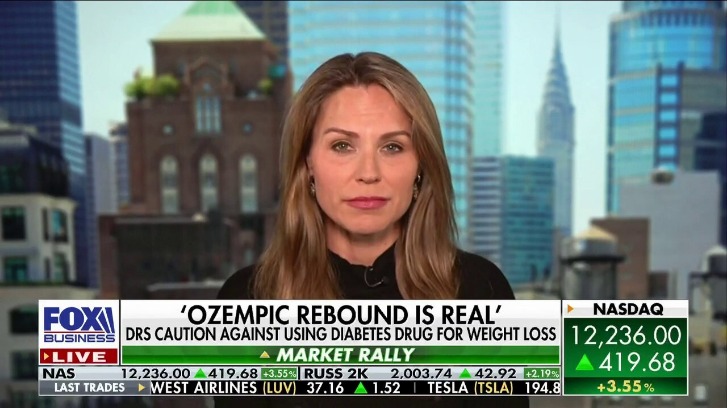
- “We believe we are now at an inflection point for the broadening of obesity drugs’ use, which will extend beyond the U.S. to larger numbers of patients globally,” says Morgan Stanley Equity Analyst Terence Flynn.
- The global pharmaceutical market size was estimated at USD 1,645.75 billion in 2024 and is projected to reach USD 2,350.43 billion by 2030, growing at a CAGR of 6.12% from 2025 to 2030.
- It forms the backbone of modern medicine, continuously evolving to respond to emerging health threats, chronic disease prevalence, and advancements in drug development.
Morgan Stanley Research now estimates the global market for obesity drugs could reach $150 billion at its peak in 2035, an increase from a previous forecast of $105 billion. By providing timely and accurate intelligence on patents, regulations, and litigation, tools like DrugPatentWatch empower generic drug companies to navigate the complex IP battlefield, reduce risk, and capitalize on market opportunities more effectively. Novartis- Novartis launched a gene therapy for sickle cell disease and expanded intodigital health by partnering with tech firms to integrate AI into drugdevelopment and patient care. Pfizer -Pfizer has invested USD 1.5 billion in mRNA technology, aiming to developvaccines for flu, HIV, and RSV. Additionally, the company expanded its oncologyportfolio with new treatments for lung and breast cancer. The complex pharmacy marketplace continues to evolve as new products are introduced and treatment paradigms are updated.

In the US, the largest share of fentanyl is produced in and imported from Mexico, whereas repeated dismantling of drug laboratories in Canada suggest regionalised production within country borders 28–30. By reducing the risk that comes with the trading and smuggling of opioids over long distances and across multiple country borders, drug dealers are able to increase the availability of their product 3. Furthermore, domestic production is a key strategy to reduce drug prices as the biggest markups typically occur at the time of border-crossing 31.
Drug Repositioning: One Molecule Two Indications Triple The Profits
This initiative aligns with efforts to bolster domestic production, improve national security, and ensure consistent access to essential medicines. Prescription drugs market is anticipated to grow at a noteworthy CAGR during the forecast period, driven by a strong emphasis on national health services and increasing demand for accessible therapies. Escalating cases of cancer, diabetes, and mental health disorders are increasing prescription volumes, while government pressure to reduce healthcare costs is boosting generic drug penetration. The rise of digital healthcare services, including online prescriptions and teleconsultations, is expected to support continued market growth.
In Brazil and India, for example, adoption has been fast despite the fact that most patients cover the costs of medication themselves. According to the new estimates, about 11% of the global eligible population of 1.3 billion people could be on obesity drugs, including 20% of eligible patients in the U.S. and 10% in other countries. Monoclonal antibodies are the top product type in the injectable drug market, with an estimated market share of 10.8% in 2025.