This service involves verifying the identity of a user, typically through the provision of identification documents or other forms of proof of identity. Account verification is often required for high-value transactions or for users who want to establish a reputation as a trusted seller or buyer. In summary, darknet markets like Dream do charge vendors fees, which are crucial for the marketplace’s sustainability.

Darknet Markets: Understanding Vendor Fees On Platforms Like Dream
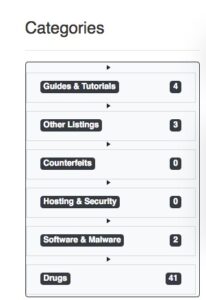
However, one common question that arises is whether these markets charge fees for their services. Let’s break down the seven product categories that you’ll find on any dark web marketplace. The fees charged by darknet markets can vary depending on the market and the type of product being sold.
Are There Hidden Charges On Darknet Markets?
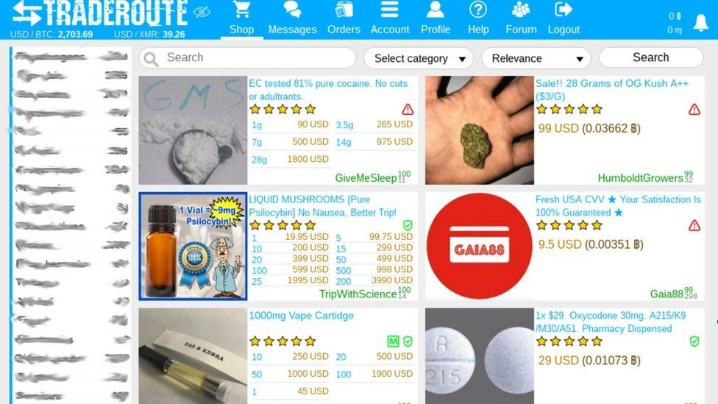
By carefully analyzing the fee structures of various markets, vendors can optimize their profits and navigate the complex world of darknet trading. Some platforms may enable free listings to attract more vendors but may implement other monetization methods. While it’s interesting to explore the darker parts of the internet, dark web marketplaces present very real dangers to users. While you might be curious to explore these darknet marketplaces yourself, our general advice would be to steer clear of them.
Listing Fees
In some cases name and/or email can give us prompt, from which country account owner comes from, which can be handy for fraud purposes. Sometimes they need an intermediate product to get a flight ticket and a place, where they can sell their services. Typically, vendor fees are not refundable, especially if a listing has already been made or a transaction completed.
As part of an undercover operation, DA investigators purchased around 10,000 alprazolam tablets from sinmed, along with ketamine and GHB. Of the linear models, simple linear regression performed the best, with an average cross-validation R² “score” of around 0.89, meaning it accounts for about 89% of the actual variance. I split the data into random training and test sets (pandas dataframes) so I can evaluate performance using scikit-learn. Since I can’t fully account for stratification within the groups that I’m not accounting for, I take an average of scores over multiple evaluations.
Additionally, many of the services offered on these marketplaces are illegal and can result in severe consequences. Payments on darknet markets are typically handled using cryptocurrencies such as Bitcoin or Monero. These payments are made through a secure, decentralized network, making it difficult for law enforcement to track them. However, some marketplaces also offer alternative payment methods such as PayPal or bank transfers. Out of the 31 marketplaces, 3 are marketplaces dedicated to fake and stolen IDs and credit cards.
Impact Of Fees On Buyers And Sellers
- Following these events, dark marketplaces have adopted better technologies to mitigate losses caused by closures and to reassure their customers5,6,7.
- I’m here to kind of enlighten people to what the federal system is like, to what it was like for me during the time that I was actually vending.
- In the mysterious realm of the darknet, where anonymity reigns supreme and illicit activities thrive, it’s important to understand the inner workings of these hidden marketplaces.
- Darknet markets are online marketplaces that can only be accessed using the Tor network or similar anonymizing networks.
For digital products, this means providing the customer with a download link that doesn’t connect back to the vendor. Darknet markets have emerged as platforms where goods and services, often illegal, are exchanged. This article explores whether darknet markets like Dream charge vendors fees and how these fees impact sellers.
Awareness of the fees can help users make informed decisions and avoid unexpected costs during their transactions. One common question among vendors on darknet markets like Dream is whether or not they are charged fees for selling their products. Darknet markets have gained notoriety for facilitating the trade of illegal goods and services.
The Vendor Experience On Dream
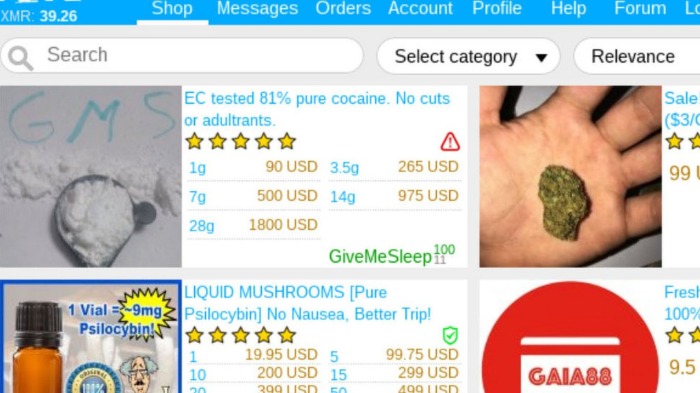
In just a few minutes, anyone can download the Tor browser, navigate to a dark web marketplace, create a vendor account, and start listing illicit goods or services for sales on the dark web. In 2017 a multinational police operation, Operation Bayonet, seized AlphaBay, a vast market ten times the size of the Silk Road. Additionally, some vendors on darknet markets may charge fees for their products or services. The marketplace itself does not directly charge users, but rather acts as a platform for these transactions to take place. Darknet markets charge fees for transactions to cover the costs of running the market. These costs can include server maintenance, development and maintenance of the market software, and payment processing fees.
Reasons For Charging Fees
This service typically incurs a fee, which is deducted from the total transaction amount. This fee can range from a few dollars to several hundred, depending on the market and the type of item being sold. Once an item is sold, the market will also take a percentage of the sale price as a commission.
Dream Market, The Top Dark Web Marketplace, Will Shut Down Next Month
To understand the logistics of buying illegal drugs online, you need to have a clear understanding of how the internet works in the broader sense. Darknet markets, also known as crypto markets, give aprovide a largely anonymous platformsystem for trading in illicit goods and services. Discover a wide selection of goods, from digital currencies to rare collectibles, all in a safe and anonymous environment.
Payment Methods Accepted
A common question that arises among new users is, “Do darknet markets like Dream charge vendors fees? ” This inquiry is crucial for both potential vendors and buyers alike, as it impacts pricing and overall market dynamics. In conclusion, darknet markets like Dream do charge for transactions, typically ranging from 2-5% of the total purchase price. While darknet markets may seem like a convenient way to buy and sell illegal goods and services, they come with significant risks, including legal consequences and the potential for scams and fraud. As with any illegal activity, it’s important to weigh the potential benefits against the risks before making a decision. In addition, the anonymity provided by cryptocurrencies can make it difficult to trace transactions and prosecute criminals.
To make a purchase on a darknet market, users typically need to create an account and fund it with cryptocurrency, such as Bitcoin or Monero. Transactions are then conducted through the market’s internal messaging system, with goods shipped to the buyer’s designated address. The DEA agents on Engstrom’s trail, meanwhile, used toll records to determine when Engstrom visited BitLiquid on his phone and monitored the BitLiquid wallet for activity in those time frames.
Bitcoin is also supported, and there are multiple payment methods similar to Escrow, so both the buyer and the seller are protected during the transactions, and nobody is ripped off by the other party. There’s literally everything on here, and you can find anything from illegal, and legal, drugs, to concert tickets for your favorite band, it’s really quite the digital plaza. Cybercriminals often exploit vulnerabilities in software and use the Dark Web as a platform for illegal activities, such as hacking, identity theft, and the sale of stolen data. It is crucial for users to take precautions to protect their privacy and security when accessing the Dark Web. Tips such as using a virtual private network (VPN), regularly updating software, and practicing good online hygiene can help mitigate these risks. In evaluating these notorious cases, it becomes clear that the Graveyard Market’s history is riddled with cautionary tales.
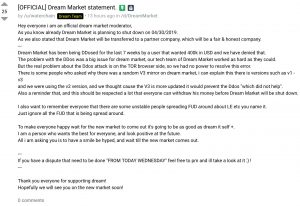
Counsel for Khlari Sirotkin hadn’t responded to a request for comment at the time of publication. They allegedly ran operations across Los Angeles and Las Vegas as well as Durango and Denver in Colorado. As complex systems, digital infrastructures are exposed to major breakdowns determined by the propagation of local failures into large-scale disruptions (Hanseth & Ciborra, 2007).