In a world where digital privacy feels as rare as a unicorn, the dark web offers a peculiar sanctuary. Yet, it’s not all cloak and dagger; the dark web is a complex realm with legitimate uses and potential pitfalls. The best onion links in 2024 serve as portals to this hidden layer of the internet, where anonymity is both a shield and a double-edged sword.
Circumvent Censorship
This lets you check what information it contained at a previous point in time. This onion site was created as a place for whistleblowers to pass information to journalists. It is a safe haven where anybody with information can share it anonymously and without fear of being tracked. The anonymity that onion routing provides slows down your internet considerably. For this reason, anybody who wants to privately stream in HD, play games, torrent, make video calls—or do anything else that requires fast speeds—is advised to use a VPN instead.
Bitcoin – New Links (

This ensures greater security and privacy, making it much more difficult for snoopers to get in. To send a message or image via ZeroBin, you just need to copy the desired content and paste it into ZeroBin’s editor. The editor will then create a link for you to forward to the sender. For those needing an additional layer of security, you can set it to disappear right after viewing.
Social Media And Forums
Hackers, journalists, and security companies use this hidden corner to exchange information and gather intelligence that’s not accessible through the regular internet. They remind us that the web doesn’t have to be a place where every click is tracked and every move monitored. With tools like Tor and .onion addressing, we can build—and browse—a more private, secure, and open internet. Like any technology, .onion links themselves aren’t inherently good or bad—they’re tools.
These services form the communication backbone for sensitive conversations in high-risk environments. It’s a bit of a contradiction to talk about search engines for dark web sites because, by definition, these are not sites that get indexed by traditional search engines. Many dark web search engines on the darknet suffer from spam, because these spammy sites want to be indexed and found by the search engines as opposed to genuine onion sites. Vorm Web focuses on quality over quantity and splits findable results into three security categories, from secure to risky. Many reputable websites and news outlets like ProPublica and SecureDrop often share official domain addresses of onion sites on their pages. Some users also share links on encrypted apps like Telegram or Keybase that you can check.
People like spies or whistleblowers often contact the CIA via the dark web to keep themselves hidden. If we need a website to get links to other hidden sites, we will choose Hidden Wiki. But if you are thinking you can find links to the deepest part of the dark web using this site, it’s not that simple.
4 Be Cautious With Links
Tor Browser prevents someone watching your connection from knowing what websites you visit. All anyone monitoring your browsing habits can see is that you’re using Tor. These services use the special-use top level domain (TLD) .onion (instead of .com, .net, .org, etc.) and are only accessible through the Tor network. For most people and use cases, using only a VPN will offer sufficient privacy with much faster speeds than Tor alone.
- It also offers a comprehensive list of marketplaces, exchanges, and websites linked to fraudulent activities, helping you stay informed.
- That’s why knowing which dark web websites are safe to visit is vital.
- The Hub is another well-established forum offering extensive guides and support for newcomers and veterans alike, covering everything from vendor reviews to operational security.
- By staying alert, verifying sources carefully, and consistently practicing good security habits, you significantly reduce the risk of encountering threats or compromising your security.
It’s important to approach these platforms with a balanced level of caution and awareness, understanding the potential risks involved. The complexity of legalities surrounding onion sites further complicates matters, making it essential to stay informed and updated about the evolving landscape. Some jurisdictions have explicit laws governing the use and access of onion sites, while others have yet to establish a clear legal framework. Individuals looking to access these platforms should be informed about local regulations and potential implications. This will help them avoid inadvertently infringing upon laws that could lead to serious legal consequences. Once pasted, the Tor Browser will connect to the site over the Tor network, which might take a few seconds longer than a normal website.
Download Tor Browser
Copy the .onion link carefully to avoid mistakes, as typos can lead to error pages or potentially malicious sites designed to impersonate the Hidden Wiki. Before Hidden Wiki is Daniel, a ‘dark web websites’ aggregator that can help you navigate the onion maze. Daniel acts as a dark web search engine to help users find reliable onion sites. Daniel regularly crawls the dark web searching for new websites or checking the status(es) of other websites. Definitely yes, especially if this is your first time on the dark web. Hidden Wiki, although comprehensive, contains some very disturbing and very illegal info.
Onion Links
Whether you’re accessing news sites or exploring the depths of Tor’s offerings, remember that knowledge and caution are your best allies. Onion sites are part of the deep web, accessible only through specialized browsers like Tor. These sites, with their “.onion” suffixes, are not indexed by search engines, allowing for a level of privacy and anonymity unattainable on the surface web.
This includes sites with publicly accessible content, such as news portals, blogs, and social media platforms. In contrast, the deep web encompasses parts of the internet not indexed by standard search engines. Accessing the Hidden Wiki and the broader dark web begins with downloading and installing the Tor Browser. This process masks your IP address and encrypts your data, allowing you to visit websites that are not accessible via standard browsers, including .onion sites like the Hidden Wiki.

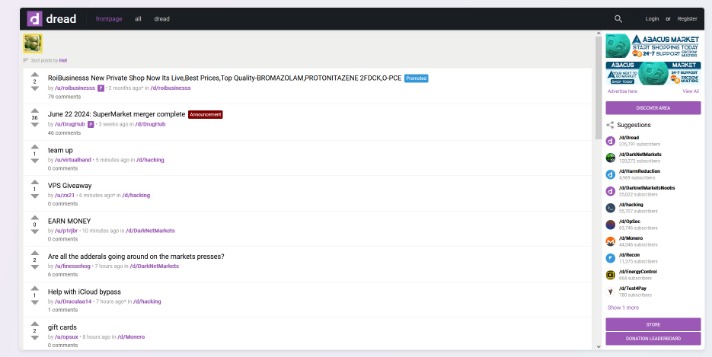
It also lists forums and communities where people share information, discuss darknet markets, and exchange security tips. It also connects users to hosting services and whistleblower platforms, facilitating secure communication and file sharing on the dark web. To safely use the Hidden Wiki, verifying the authenticity of links is essential. First, rely on community-vetted sources and updated link lists from trusted forums like Dread or The Hub, where users report scams and share verified onion addresses. Check for recent user reviews or feedback to ensure the site is still operational and legitimate.
Finding And Opening An onion Link Safely
Tor, short for “The Onion Router,” employs a multi-layered encryption process, akin to peeling back the layers of an onion, to conceal user identities and locations. Searching on the dark web isn’t quite like typing a query into Google. This makes comprehensive indexing—something Google excels at—almost impossible on the dark web. You’ve probably heard of the “dark web” and wondered what exactly it is and how people navigate its hidden corners. Simply put, the dark web is a part of the internet that’s intentionally hidden from conventional search engines like Google or Bing, meaning it’s inaccessible through typical browsers.