However, account takeover has never been easier or cheaper to do for cybercriminals. This is because a large variety of brute force tools and account checkers are available on Dark Web marketplaces for an average of $4 which can be used with little technical expertise. While many account details are offered for free on the Dark Web, the average price of those on sale is $15.43.
Many people also prefer to buy goods and services online, which allows for more opportunities to steal people’s personal data and financial information. So, that can run the spectrum—from credit card fraud to sextortion to child exploitation material,” explained Secret Service Supervisory Criminal Investigator Ken Henderson. Once you’re in, though, you also find an online marketplace filled with offers for many illegal goods and services.
- As for cybercriminal administration, the category includes inflows from ransomware affiliate wallets.
- Markets that lack proper security often become targets for law enforcement, scammers, or cyberattacks.
- We offer a seamless, secure, and trusted experience tailored for the Canadian community.
- While the deep and dark web serve legitimate purposes, they also facilitate illegal activities and create difficulties for law enforcement.
Why Is Personal Data Sold On The Dark Web?
Cryptocurrency accounts were the only category that we saw to have experienced an increase. This is likely due to the fact that cryptocurrency prices have been largely stagnating in H and H1 2023, which resulted in less interest shown by the mainstream population. The table above shows how much the prices of processing account details have fallen in the last year due to the high supply.
Of The Information For Sale On The Dark Web Can Damage A Business
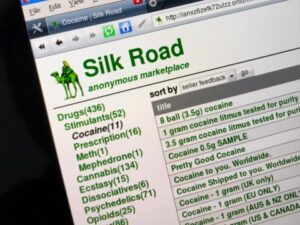
These markets operate on the dark web, a part of the internet that’s not indexed by traditional search engines and requires special software, like Tor, to access. Here, you can find anything from stolen credit card information and personal data to illicit drugs and counterfeit goods. Dark web marketplaces are infamous for being hotbeds of illegal activity, from selling malware and stolen data to offering all sorts of illicit services. Here, we’re going to look at the threats these dark web markets pose, explore recent law enforcement takedowns, and look at the strategies being used to track and tackle these shady activities. These marketplaces are structured similarly to legitimate online stores, complete with product listings, seller reviews, and even customer support forums. However, the goods and services offered include stolen credentials, hacking tools, counterfeit documents, drugs, and weapons.
Cybersecurity professionals actively monitor these underground forums to identify leaked corporate information, using automated web crawlers, threat intelligence platforms, and Dark Web monitoring services. This approach enables businesses to conduct cybersecurity risk assessments and mitigate potential threats before they escalate into financial losses or compliance violations. Dark web marketplaces are like the hidden corners of the internet where illegal activities take place and even thrive.
Illicit Activity On Dark Web
Some provide forums that allow people to anonymously express ideas and information banned in certain countries. For example, Lott showed us one that posts a daily verse from the Bible, which is banned in some places like Islamic states and North Korea and heavily regulated in China. By proactively addressing vulnerabilities, SMEs can better protect themselves, maintain compliance with cybersecurity regulations, and minimize the likelihood of becoming a victim of dark web-related attacks. Customers may lose trust in an organization’s ability to safeguard their data, resulting in client attrition and long-term harm to the business’s brand. A study by IBM found that 83% of consumers will stop doing business with a company after a major security incident. This is where things might get just a bit confusing, as the Dark Web is nearly synonymous with illegal activity.
Here’s What Your Data Sells For On The Dark Web
To mitigate detection and tracking by law enforcement, the Dark Web is moving towards increased security on all ends. The markets have abandoned Bitcoin (BTC) as it is not secure, and vendors are demanding buyers to use Monero as payment and communicate only through PGP encryption. It’s unclear how big a dent Operation Disruptor will make in the long run; the dark web drug market tends to bounce back, even after the high-profile collapses of marketplaces like the Silk Road and AlphaBay.
Types Of Darknets Used To Access The Dark Web

With the advent of crypto-currencies, it became not only possible to complete trades online without leaving a money trail but easy. As a result, the trading of illegal goods online has become more commonplace, and vast dark web marketplaces have been created. The results of that investigation were published in a report called Technical analysis of the Genesis Market. Though Genesis Market domains and servers were seized and antivirus programs have been updated, cybercriminals have already rebuilt illicit services like these. Using his credentials, cybercriminals committed a variety of online fraud activity over the course of six months.

How To Prevent Your Data From Being Sold On The Dark Web

For businesses and individuals alike, understanding these threats is the first step in securing their digital assets. However, combating dark web risks requires more than just awareness—it demands proactive and comprehensive protection. When you picture what sells in Dark Web markets, you’re probably thinking about things like stolen corporate data, pirated software, and lists of passwords. But that’s not the whole picture of what’s happening on the Dark Web – and what you don’t know can hurt you, because it might just fuel the next cyberattack against your business. The researchers’ findings, which extend to January of this year, describe a market that’s no longer explosively growing, as it did in the early days of Silk Road. “The market is relatively stable, with sales between 300,000 and 500,000 dollars a day,” says Christin, who ran the study along with fellow CMU researcher Kyle Soska.

This includes purchases such as malicious software and supporting services which cybercriminals sometimes make using escrow services on crime forums. For cybercriminals, stolen data is a valuable asset, fueling identity theft, financial fraud, and corporate espionage. A single compromised credit card can be sold for as little as $10, while full identity profiles—often called “fullz”—can fetch hundreds of dollars. Businesses face severe consequences when their data is leaked, from regulatory fines under data protection laws to reputational damage that erodes customer trust. Small businesses, in particular, are attractive targets due to often-limited cybersecurity resources, making preventing data breaches a priority for sustainable operations. The Dark Web presents significant cybersecurity risks for businesses, as stolen credentials, intellectual property, and sensitive data are frequently traded on illicit marketplaces.
The Dark Web markets are even starting to parody traditional markets with comical offers of “buy two cloned credit cards and get 1 for free!! This malware-as-a-service model allows less tech-savvy criminals to launch malware-driven cyberattacks without building the tools themselves. Unlike surface web platforms, darknet markets have no reliable way to verify vendors. Many “trusted” sellers use fake reviews or steal reputations from shutdown markets. Some now offer customer support, escrow systems to prevent fraud, and even user-friendly interfaces that make illegal trade feel strangely routine. Still, the dangers are severe — exposure to scams, malware, surveillance, and prosecution are just the beginning.
Escrow services are commonly used to hold funds until transactions are completed, ensuring a level of trust between buyers and sellers despite the illegal nature of their dealings. Dark Web marketplaces pose a serious cybersecurity risk to businesses, facilitating the sale of stolen credentials, financial data, and corporate secrets. The increasing sophistication of cybercriminals underscores the importance of proactive security measures, including Dark Web monitoring, cybersecurity risk assessments, and security gap analysis. Ignoring these risks can lead to financial losses, reputational damage, and regulatory penalties. Dark web marketplaces aren’t just peddling the same old stolen credit card numbers and drugs anymore. These days, the types of illicit goods and services available have become far more advanced and dangerous.