
Brick Lane’s markets are a true haven for antique treasure hunting, vintage shopping, and street food exploration. The extruded process accounts for the largest market share at $1.12 billion in 2023, expected to expand to $2.08 billion by 2033. The pressed process and other manufacturing methods contribute $0.38 billion and $0.29 billion respectively in 2023, with similar growth patterns expected over the forecast period. The global brick industry is extremely competitive but innovative, committed to delivering products while being concerned for sustainability in this industry. Quality and technology advancements in this field are injected by principal companies, such as Acme Brick Company and Wienerberger AG.
Search Reports By Keywords
Direct sales dominate the distribution method, representing a market size of $1.57 billion, projected to grow to $2.91 billion by 2033. Wholesalers and retailers, while smaller at $0.23 billion in 2023, are set to grow steadily, reaching $0.42 billion in 2033. This brick industry is embedded with all sorts of competitors, continuously showcasing milestones of companies that have other kinds of strengths and bring forth different innovations. From Bigbloc Construction Ltd. in North America to the Brampton Brick in Europe, all these substantial contributors have been major components in the technological advancement and market expansion alike. The brick market is valued at USD 1.73 trillion in 2025 and is forecast to reach USD 1.99 trillion by 2030.
North America Brick Market Report:
- From authentic 90s sportswear to vibrant 60s shirts, and vintage staples like Levi’s ‘Mom’ jeans and Penny Lane coats, you’ll be spoiled with an array of fabulous items.
- The Tea Rooms at Brick Lane is a treasure trove for vintage trinkets, antique homeware, and eclectic art that is a real treat to explore.
- Mid-rise formats rely on masonry for cost-effective load-bearing walls and local labor familiarity.
- The focus on sustainability and eco-friendly construction practices has spurred innovation in the market.
- Residential buildings retained a 55% revenue position in 2024, yet the non-residential segment leads growth at 3.34% CAGR as governments fund transport corridors and e-commerce firms extend distribution hubs.
Heidelberg Materials applies AI to real-time kiln monitoring, claiming 20% cement-use reductions extendable to masonry units. Oldcastle APG bought Master Block in January 2025 to shore up supply in high-growth Arizona. Forterra’s completion of Europe’s largest brick plant at Desford raises UK capacity and embeds advanced slip-extrusion lines for panelization compatibility.
- For example, North America and Europe have mature markets with well-developed infrastructure and construction practices that generate a constant demand for bricks.
- The global bricks market is projected to grow from USD 1.79 trillion in 2025 to over USD 2.36 trillion by 2034, registering a CAGR of 3.09%.
- The COVID-19 pandemic has considerably impacted the market, as it did on many industries worldwide.
- Heidelberg Materials applies AI to real-time kiln monitoring, claiming 20% cement-use reductions extendable to masonry units.
- It offers a diverse mix of retail outlets such as cafes, boutiques, and different arts and crafts, from jewellery designs to wall art.
Download The Free Sample Of This Report
In housing, rising mortgage rates in 2024 curtailed starts, but planned cuts from 2025 reinvigorate single-family construction, particularly in North America. Regulatory pushes for net-zero dwellings incentivize wall systems that retain heat and lower operational energy. Brick veneers matched with external-insulation finishing systems satisfy these performance metrics while preserving traditional curb appeal.
Sand lime bricks, which have incorporation of lime and sand, enhance durability and preferably used in locations demanding strength against moisture and chemicals. The Global Brick Market comprises an integral segment of the value chain of the construction materials industry; it lies at the confluence of classic artisanship and modern engineering. Bricks, by their very nature, have taken on a significant role in building structures for centuries and remain an essential element of architectural landscapes worldwide. This enduring eminence has developed due to certain features intrinsic to bricks—features of strength, wide applicability, and aesthetic appeal that make them an important necessity in most building projects. Europe trails in growth but leads innovation as the CBAM exposes carbon-intensive imports and rewards local low-carbon pioneers.
What Deliverables Can I Expect From This Brick Market Research Project?
The Tea Room describes itself on its website as “a hidden treasure trove of antiques, furniture, homeware, and art.” And “hidden” is right! While all the other 4 markets on Brick Lane are pretty big and in your face, either housed in large buildings with massive signs, or outside in plain sight, the Brick Lane Tea Rooms market is a little smaller. Plus, the name “Tea Rooms” made me initially think it was just a small cafe/antique store.
The Brick Market
Such bricks, usually 3⅝ inches high by 3⅝ inches deep by 11⅝ inches long, would find their place in projects where the number of joints is to be reduced and, at the same time, a finer and more troweled finish is desired on elevations. Therefore, jumbo bricks have a utility where fast construction progress and superior aesthetics are required in building purposes—like high-rise buildings or large commercial complexes. Enhancements in brick manufacturing processes and material make it possible for companies to reach new market opportunities. With increased regard for sustainability around the world, developments in technology have resulted in the ability to produce bricks in an eco-friendly manner. Such bricks are generally made from recycled materials or produced by energy-efficient means and, thus, are more attractive to green consumers and regulatory institutions. Some of the growth factors for the brick market include the fact that an almost indispensable use in construction across regions, if not the globe, is noticed, owing to its durability and versatility.

Public-sector rental programs in Europe and Asia formalize quotas for low-carbon bricks, cushioning residential volume dips elsewhere. Recent tariff measures in the United States are prompting manufacturers to boost domestic capacity, streamline cost structures, and revamp sourcing strategies. The realignment of trade flows is encouraging diversification, with industry players seeking suppliers in tariff-free zones and strengthening partnerships with local raw material providers. These policy shifts are compelling market participants to balance cost control with compliance and supply chain reliability. Originally rooted in the area’s textile industry in the 17th century, it evolved into a bustling market over time.
Market trends in the brick industry include a growing preference for sustainable materials, increased use of automation in production processes, and rising demand for customized brick solutions in construction projects. The Brick market by type segment shows robust performance with clay bricks dominating the market at $0.93 billion in 2023, predicted to reach $1.73 billion by 2033 due to their widespread use in residential construction. Concrete bricks follow at $0.42 billion in 2023 and are expected to grow to $0.78 billion by 2033, valued for their durability. The most traditional and widely used all over the world are clay bricks made from natural clay and shale. This product has stayed on top in the market due to its strengths and high thermal properties, hence it’s suitable for residential and commercial building purposes.
Brick Lane Food Market

These bricks are renowned for their durability, thermal insulation properties, and traditional aesthetic appeal, making them a staple in construction. The clay bricks segment is witnessing a resurgence in demand due to sustainable practices. Manufacturers are exploring energy-efficient kiln technologies and incorporating recycled content, aligning with the industry’s green initiatives. This trend reflects a growing preference for eco-friendly materials in the construction sector. Meanwhile, Europe is experiencing notable growth in the bricks market due to a resurgence in construction activities, driven by urban development projects and infrastructure investments. The region’s focus on sustainable and energy-efficient construction aligns with the eco-friendly attributes of modern bricks.
US Bricks Market Size And Growth 2025 To 2034
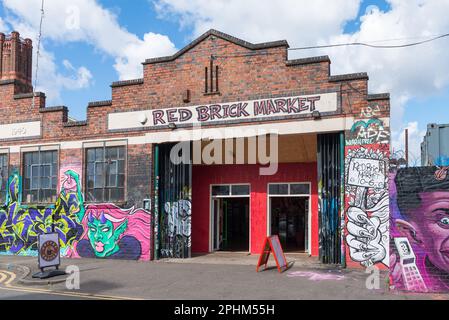
There you’ll find independent vintage traders selling mostly vintage clothes, shoes, and accessories, but also some homeware items and vintage records too. It’s just a maze of stalls and booths and the entire space is pretty crammed with rails of fur coats and leather jackets and people trying to weave in and out of the stalls. This market has around 80 stalls every Saturday and Sunday selling arts & crafts, clothes, homeware, lifestyle goods, and more! It definitely focuses on artisan and handmade items from both independent sellers and small businesses and is the arts and crafts hub of Brick Lane.
There’s an eclectic mix of food stalls offering innovative Brick Lane street foods, fresh produce, desserts, and more. This weekend market specialises in vintage and antique trinkets and homeware, but there’s also a delicious coffee shop housed within the market – Mada Mada! In addition to the vintage and antique items, the market also houses a collection of retailers selling unique (and sometimes bizarre) items AND showcase a selection of artists.
Fill out the form and we will send you a free sample report showing you the current Brick market insights and top leaders in the industry. Global Brick market is estimated to reach $2,150,951.24 Million by 2031; growing at a CAGR of 3.1% from 2024 to 2031. Direct project-based procurement is rising at 3.70% CAGR as contractors consolidate orders and rely on digital supply-chain platforms for timely deliveries.
Against this backdrop, these principals will steer the future course of the industry to rapidly meet the rapidly growing global demand in an environmentally friendly manner. In this regard, technological development became the main and simultaneously the capstone force in the historical process of brick making. Automated production lines and ecological ways of production reshaped the character of this industry.
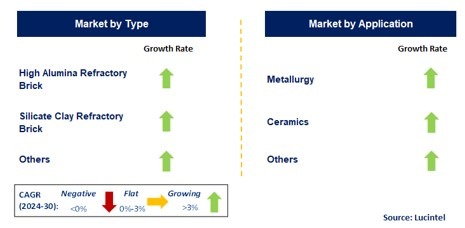
The modular segment’s growth is attributed to its convenience, cost-effectiveness, and compatibility with contemporary construction methods, reflecting a shift towards streamlined and efficient building practices. In an era where construction trends are shifting towards green building practices and cutting-edge design aesthetics, the lack of innovation in the bricks market poses a challenge. The market is highly competitive, driven by a combination of established players, regional manufacturers, and innovative startups. Here are some competitive insights that shed light on the dynamics within this industry. The focus on sustainability and eco-friendly construction practices has spurred innovation in the market.