Kwa et al. 56 reported 3 patients with a biopsy-proven kidney TMA following years of PLD administration and high cumulative doses (880 to 1445 mg/m2). The syndrome was characterized by AKI, non-nephrotic proteinuria and HTN, without anemia or thrombocytopenia. However, one of them was simultaneously treated with bevacizumab and, several years before, the 3 patients were treated with platins 54,56. The detection of mutations in complement genes of patients with secondary TMA (Bruel et al., 2017; Gaggl et al., 2018; Palma et al., 2021) extended the concept of “deregulated” complement system at the molecular level not only in primary forms of TMA. Some observations highlighted the pivotal role of genetic susceptibility in endothelial damage development; for example, TMA haplotype risks (Esparza-Gordillo et al., 2005; Ding et al., 2017) are more frequent in secondary TMAs (Le Clech et al., 2019) than in healthy samples. Nevertheless, there are suggestions of no genetic involvement (Le Clech et al., 2019; Fakhouri and Frémeaux-Bacchi, 2021) in the genesis of endothelial damage, in favor of single (40% of cases) or multiple (60% of cases) environmental triggers (Bayer et al., 2019).
After the cessation of the drug and the initiation of corticosteroids and azathioprine the patient recovered. Last but not least, several antibiotics such as ciprofloxacin, penicillin, and metronidazole were reported with probable evidence to cause DITMA (2). A new case report implicates again ciprofloxacin in drug-induced TTP which resolved completely with plasma exchange (84). Another report, identified a highly effective and frequently prescribed fluoroquinolone, levofloxacin as a new potential suspect for DITMA (13). This case report described two patients who developed microangiopathic hemolysis and thrombocytopenia following levofloxacin treatment of respiratory tract infections. Both cases resolved after drug cessation; the first patient received also therapeutic plasma exchange.
Withdrawal of the offending drug and blood pressure control are the cornerstone of treatment, showing good results 6. The prognosis is poor, with a high mortality rate (40–90%) and kidney dysfunction is liable to persist in recovered patients 30. Eculizumab (Soliris; Alexion), a C5 inhibitor preventing cleavage into C5a and C5b, is widely considered the first-line therapy for high-risk TA-TMA. MDMA (3,4-methylenedioxy-N-methylamphetamine), commonly known as Ecstasy, is an empathogenic drug of the phenethylamine and amphetamine classes of drugs. There are occasional references to the use of TMA-2 in early 1970’s counter-culture publications45, describing the drug as being rarely produced for sale and expensive in comparison to LSD.

Navigating The New Wave In Targeted Therapies For Acute Myeloid Leukemia: A Focus On IDH And FLT3 Mutations
This resulted in ravulizumab having an increased half‐life of ~52 days compared to ~11 days with eculizumab and therefore, up to an 8‐week dosing interval with ravulizumab versus 2 weekly with eculizumab. Just like in any secondary TMA, treatment of the underlying disease is mandatory 141,147. Clearly, further studies are required to determine the mechanisms of TMA, given both the rarity of this situation and the common presence of confounding factors.
- Monoclonal antibodies are used in a wide variety of diseases, with an increasing number of drugs targeted to Oncology.
- For individual patient reports, different methods were used for drugs with a presumed Immune-mediated mechanism and drugs with a presumed Toxicity-mediated mechanism.
- Both cases resolved after drug cessation; the first patient received also therapeutic plasma exchange.
- Genetic testing is recommended in all patients with recurrent episodes of hypertensive emergency, TMA, and progressive kidney disease.
- Patients with clear precipitants such as cocaine use usually respond to antihypertensives with quick resolution of TMA.
- Genetic and functional complement pathway assessment may also be useful, but data on the utility of such studies are lacking.
It is possible to break the process of etiological diagnosis of TMA into 2 distinct steps. The first covers the initial presentation and diagnostic workup, including the processes of identifying the presence of TMA, appropriate initial tests and referrals, and empiric treatments when appropriate. The second step involves confirming the etiological diagnosis and moving to definitive treatment.
5 Drug Induced TMA
- This patient had also taken levaquin and therefore her serum was also tested for levaquin-dependent, platelet-reactive antibodies.
- To refresh our memory, let’s play a game of “Alternative Basketball” (Figure 2).
- In 19 (90%) of these 21 patients, the etiology was attributed to quinine; 12 of the 19 patients with quinine-induced TMA has been reported previously;(8) the other seven patients with evidence supporting a definite association were diagnosed following this report.
- Neck was supple without any lymphadenopathy, thyromegaly, or carotid bruit.
- Neurologically, his motor strength was 5/5 in all 4 extremities, sensations to light touch and pain were intact, facial expressions were symmetrical with normal neck movements, and shoulder shrugs.
Various treatment options have been explored in pursuit of clinical improvement with variable success. Caution must be employed in generalizing response given the possibility of publication bias with preferential reporting of successful case studies. Interpretation of which treatment provides benefit is difficult in many cases where multimodal treatments are used. TMA in patients with cancer may result from either cancer or its treatment.5,9 Elucidating the etiology of TMA (Figure 1) requires comprehensive review of the patient’s clinical presentation and medical history. Variants in Thrombomodulin (THBD), a transmembrane glycoprotein with anticoagulant properties and a negative regulator of the complement system on vascular endothelial cells, may lead to a TMA. Ischemia-reperfusion, immunosuppressive drugs, acute interfering disease, and a relative deficiency of the von Willebrand factor cleaving protease (ADAMTS13) appear to play a major role in its pathogenesis.
Podcast: Thrombotic Microangiopathy (TMA) – With Dr Manish Saha

Furthermore, identification of specific and rapid biomarkers is needed to accurately diagnose and distinguish TA-TMA, acute GVHD, and VOD. Finally, there is a significant and urgent need for both adult and pediatric transplant communities to participate in randomized, placebo-controlled trials to assess the efficacy of TA-TMA–directed therapy. Your doctor may examine the blood under a microscope to determine if there are any damaged red blood cells (known as schistocytes). Positive testing in a child who has recently had bloody diarrhea will lead to a diagnosis of HUS.
Visual Effects
João Pedro Barreto is a 2nd year Clinical Pathology resident whose fields of interest include hematopathology, cancer treatment adverse effects, their laboratory work-up and monitoring. Several heterogeneous factors are likely to contribute, given the broad spectrum of hematologic tumours involved. In general, TMA related to solid tumours has a very poor prognosis, probably because most patients present metastatic disease. To add complexity to this issue beyond complement activation, Gavriilaki et al. recently suggested that neutrophil and coagulation cascade activation could also be of importance in HSCT-TMA pathophysiology 106. Several TKIs are related to DiTMA, but the majority of case reports refer to sunitinib, a multitargeted TKI that inhibits VEGFr.
Pharmacists At The Forefront: Enhancing Targeted Therapy Implementation And Patient Outcomes In Advanced Gastric Cancer
Moreover, several authors propose an aggressive treatment of GVHD in patients with HSCT-TMA 88, 94. The ubiquitin proteasome pathway is critical in the cell cycle, destroying targeted proteins. Bortezomib, carfilzomib and ixazomib act through proteasome inhibition, preventing the degradation of pro-apoptotic factors. Presently, they are used in several monoclonal gammopathies 56, including multiple myeloma 13,75, 76, 77. NCI defines targeted therapies as “drugs or substances that block growth and spread of cancers by interfering with specific molecules involved in tumor growth and progression”. In the last decade, there has been a revolution in the development of these anticancer drugs.
84 Disease Driven Versus Continuous Eculizumab Therapy
Immune checkpoint inhibitors (CPIs) are part of this class of drugs, consisting of monoclonal antibodies that target inhibitory receptors expressed on T cells 85. Some authors reported favourable results using eculizumab in carfilzomib-induced TMA. In those cases, ADAMTS13 activity was normal, suggesting a pathophysiology similar to aHUS, with complement overactivation 83. One additional report refers to a patient with a complement mutation 84.

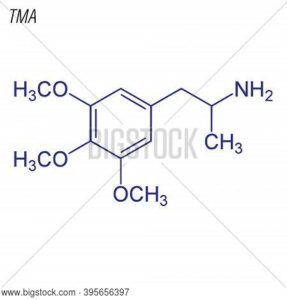
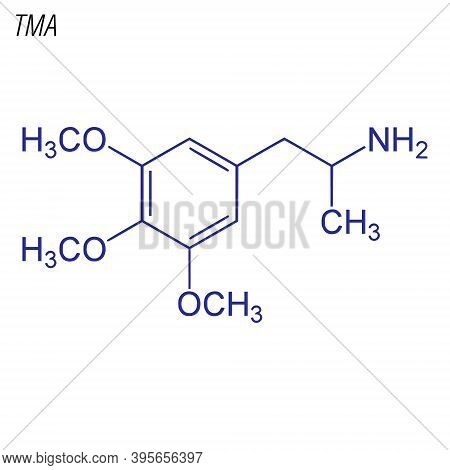
TMA-2 along with TMA-6 and others are members of the trimethoxylated family of phenethylamines. Members in this family been observed to produce a complex mixture of hallucinogenic, stimulant, psychedelic and entactogenic effects that qualitatively separates it from other psychedelic phenethylamine compounds like members of the 2C-x or DOx series. These three isomers are significantly more active as hallucinogenic drugs, and have consequently been placed onto the illegal drug schedules in some countries such as Japan. This section collects any data citations, data availability statements, or supplementary materials included in this article. MA, TM, and FA contributed to data collection and performed the research.
The values for relative human potencies of TMA-4, -5, and -6 compared to that of mescaline were evaluated to be 4, 10, and 10, respectively. The isomers, except TMA-3, have both stimulant and psychedelic effects, and their qualitative effects on mood alteration and sensory enhancement are similar to those of mescaline. Although their physical health risks and toxic doses in humans have never been clarified, mental health risks are assumed to be similar to those of other hallucinogens.
It is characterized by a Coombs-negative microangiopathic haemolytic anemia, thrombocytopenia and organ injury, with characteristic pathological features, resulting from platelet microvascular occlusion. This patient had also taken naproxen and therefore her serum was also tested for naproxen and naproxen glucuronide-dependent, platelet-reactive antibodies. This patient had also taken levaquin and therefore her serum was also tested for levaquin-dependent, platelet-reactive antibodies. Number of patients diagnosed with TA-TMA among total number of patients undergoing hematopoietic cell transplantation. The median follow-up duration varies by study from 100 days to 180 days.
HELLP is a more severe form of the disease spectrum, which can lead to a glomerular endotheliosis. There is known endothelial dysfunction thought to be due to greater circulating levels of the soluble form of the vascular endothelial growth factor receptor (sFlt‐1), syncytiotrophoblast‐derived antiangiogenic factors and soluble endoglin. TMA resulting from inhibitors of vascular endothelial growth factors8,9 has been established to involve injury to renal podocytes. TMA resulting from quinine may involve immune injury to endothelial cells.10 Better understanding of the mechanisms of DITMA should provide a basis for better diagnosis and treatment. Failure to recognize a drug as the cause of TMA, especially immune-mediated TMA, may have critical consequences if the patient is reexposed to the drug. Drug-induced TMA (DiTMA) can be either dose- and time-dependent or non-dose-related (idiosyncratic reactions).
Although not a cure, plasmapheresis still may be a temporizing measure, while evaluating for a more adequate strategy. However, the central role of complement is undeniable, and the available evidence identifies it as a targetable pathway, providing a foundation for the use of eculizumab. In the last years, several case reports and retrospective studies showed eculizumab efficiency in this context (see ahead) 100, 101, 102, 103, 104. Lack of adequate response to complement blockage in some patients, on the other hand, suggests potential additional endothelial injury pathways, requiring more investigation 103. A French case series reported mild to severe acute tubular necrosis 65 in some patients, in addition to TMA, suggesting a common pathological pathway triggered by VEGF inhibition.
Optimizing Therapy In HR+/HER2-Negative Metastatic Breast Cancer: Navigating Novel Treatments And Personalized Care
Variants were reported with the use of specific standard terminology – “pathogenic”, “likely pathogenic”, “uncertain significance”, “likely benign” and “benign”- according to the ACMG guidelines (Richards et al., 2015). The results are shown in Table 3 and the references are listed in Supplementary Material S54–S64. All cases are summarized in Table 2 and referenced in Supplementary Material S18–S53. The understanding and management of TA-TMA have improved significantly over the past decade; however, additional work is needed to resolve the diagnostic and treatment conundrums and bridge the gap between adult and pediatric HCT treatment centers. Multicenter prospective cohort studies are needed to provide additional testing and fine-tuning of the recent consensus diagnostic criteria.